
Precision casting with excellent quality
Integrated research and development, manufacturing, sales, and technical services of laboratory scientific instruments and intelligent equipment
National Consultation Hotline 15738867410
Integrated research and development, manufacturing, sales, and technical services of laboratory scientific instruments and intelligent equipment
National Consultation Hotline 15738867410

15738867410
Greenland Binhu International City (District 1), Erqi District, Zhengzhou City, Henan Province
Details
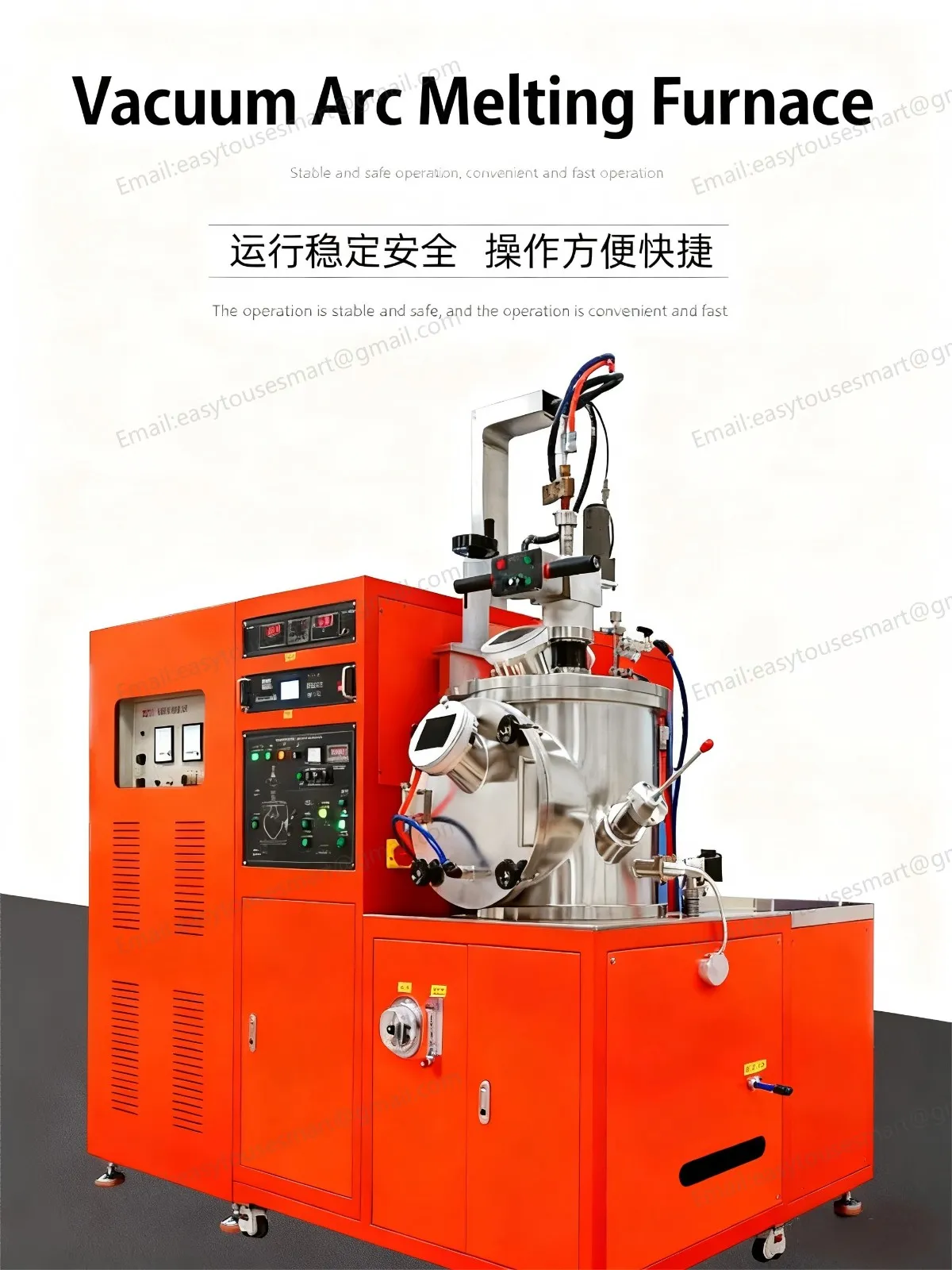
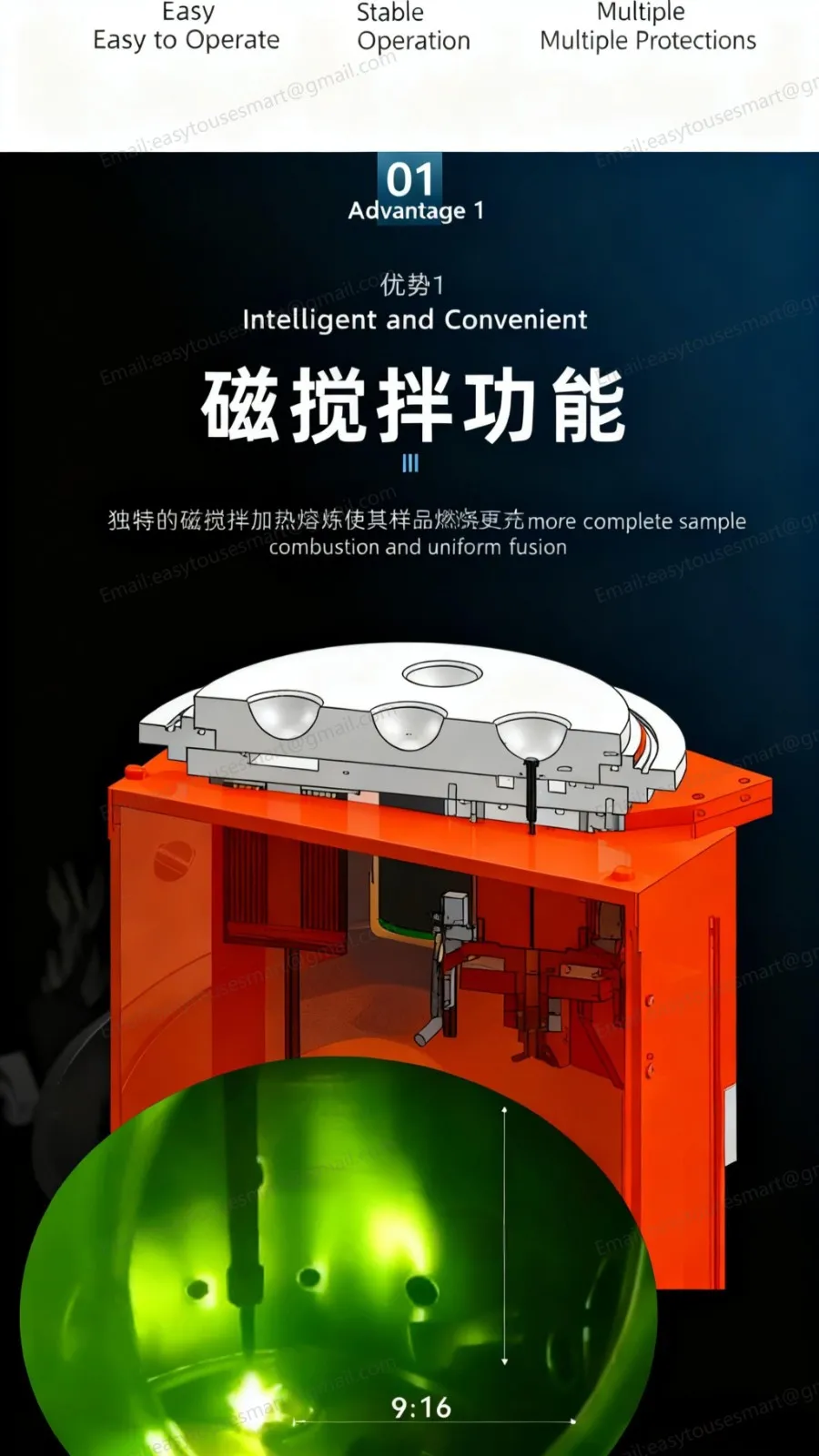
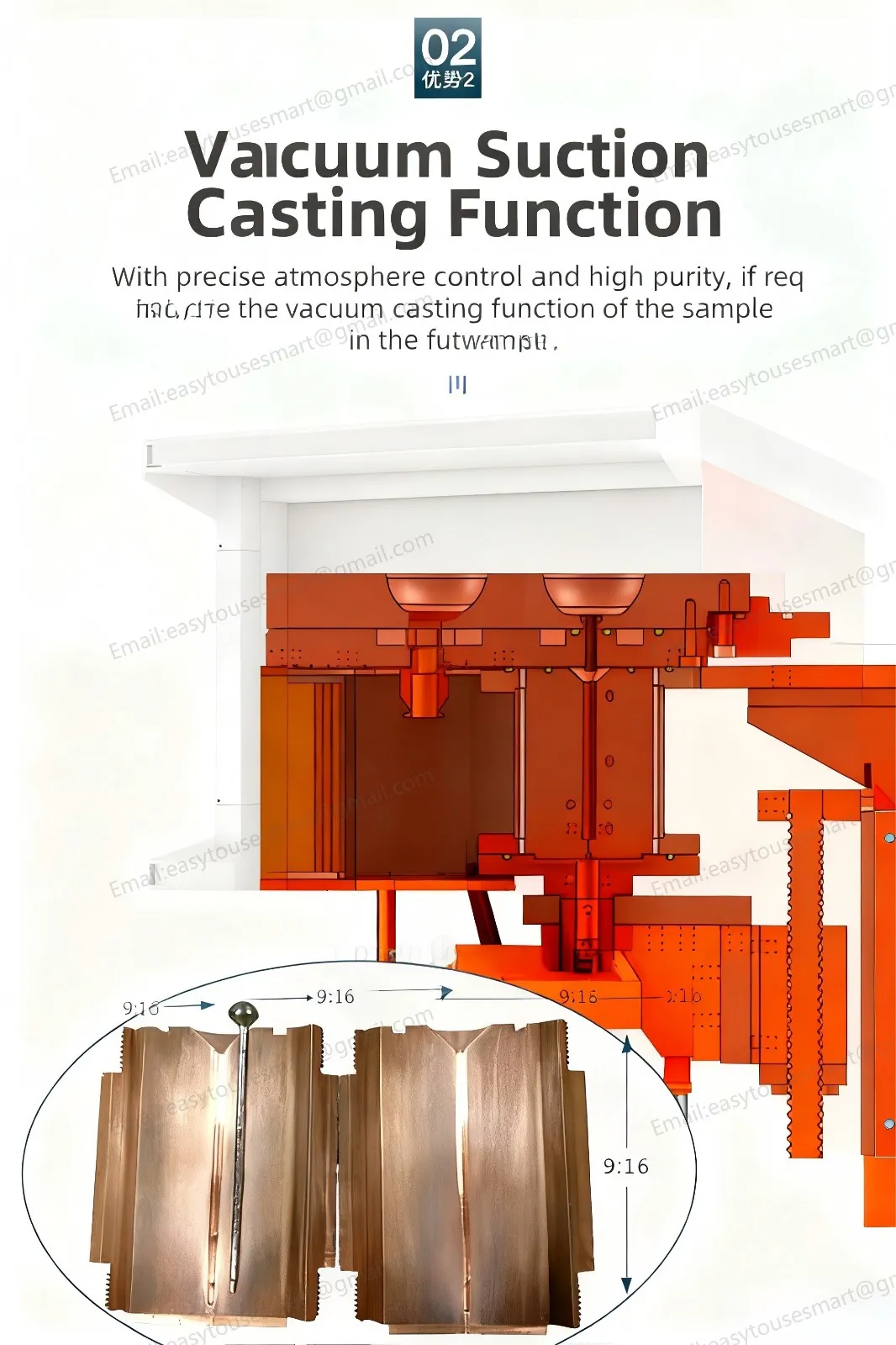
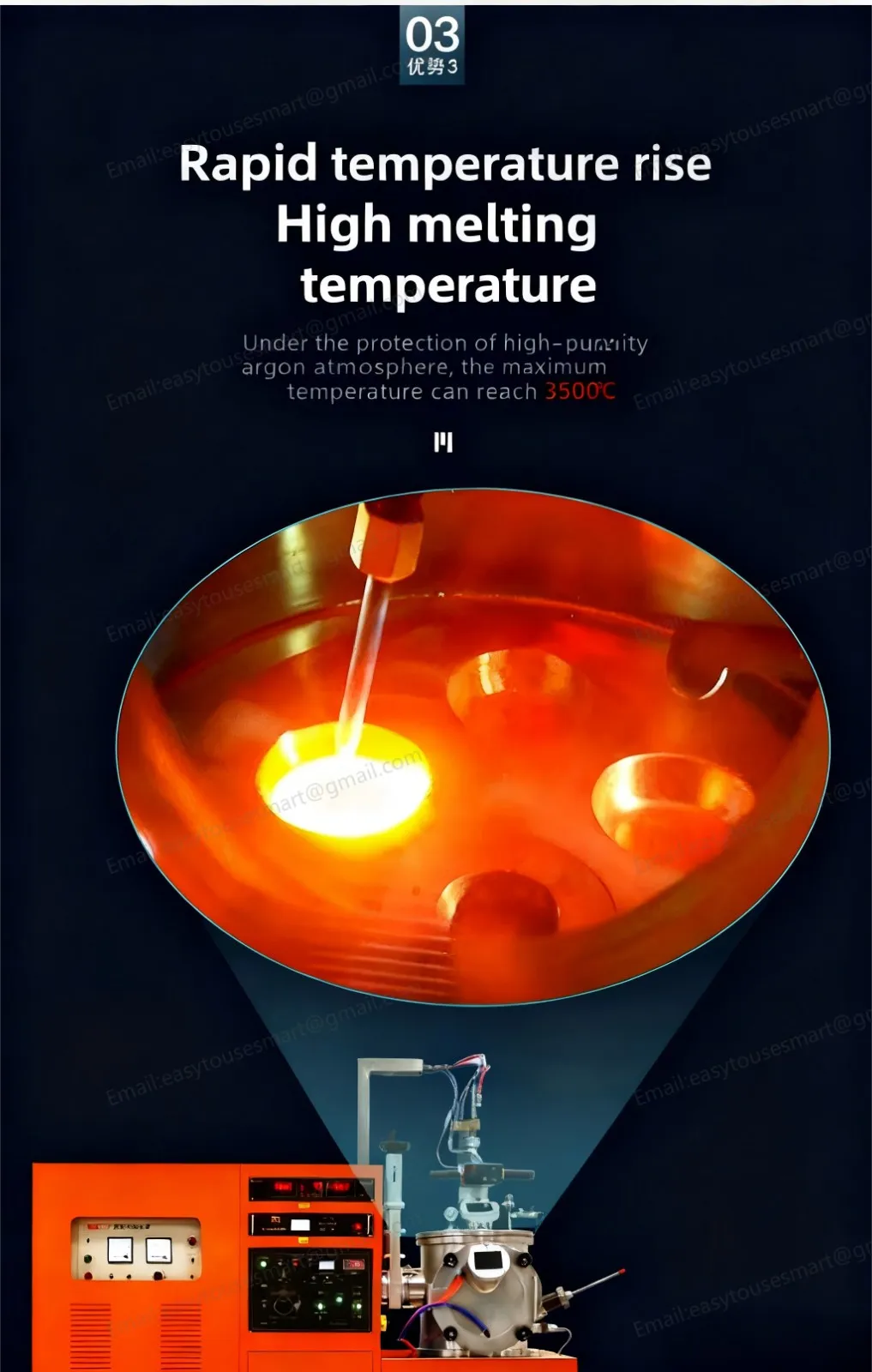
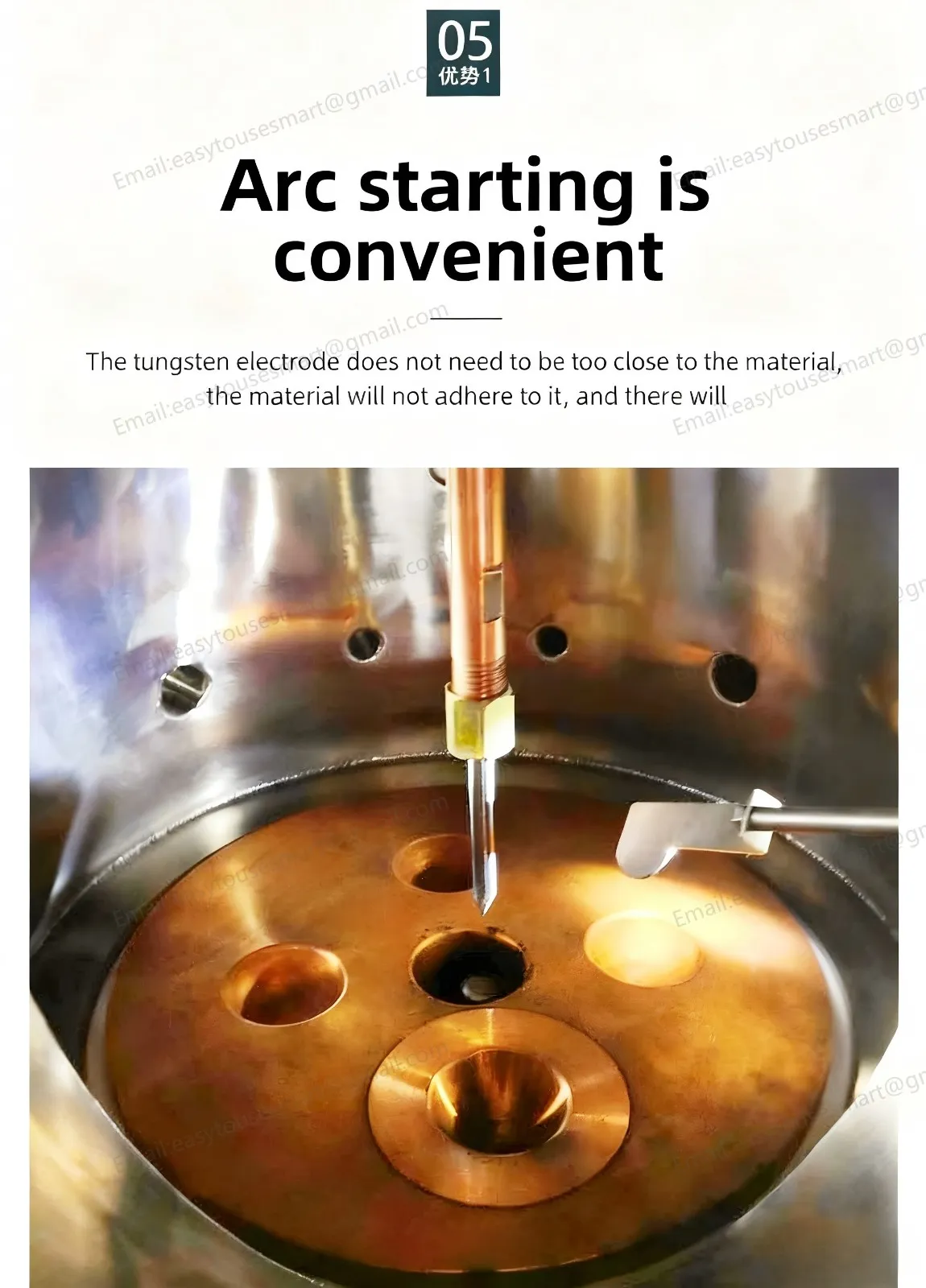
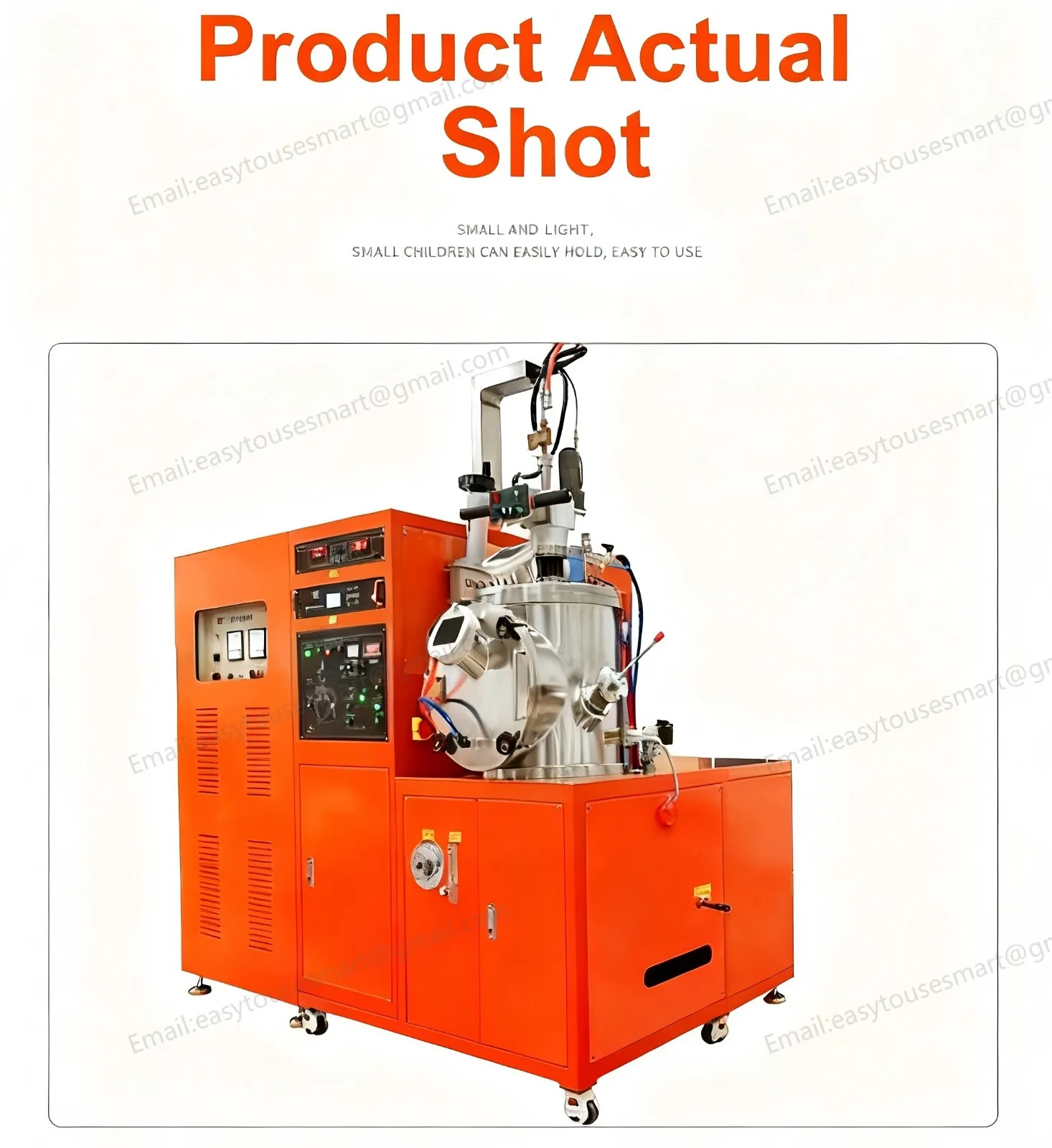
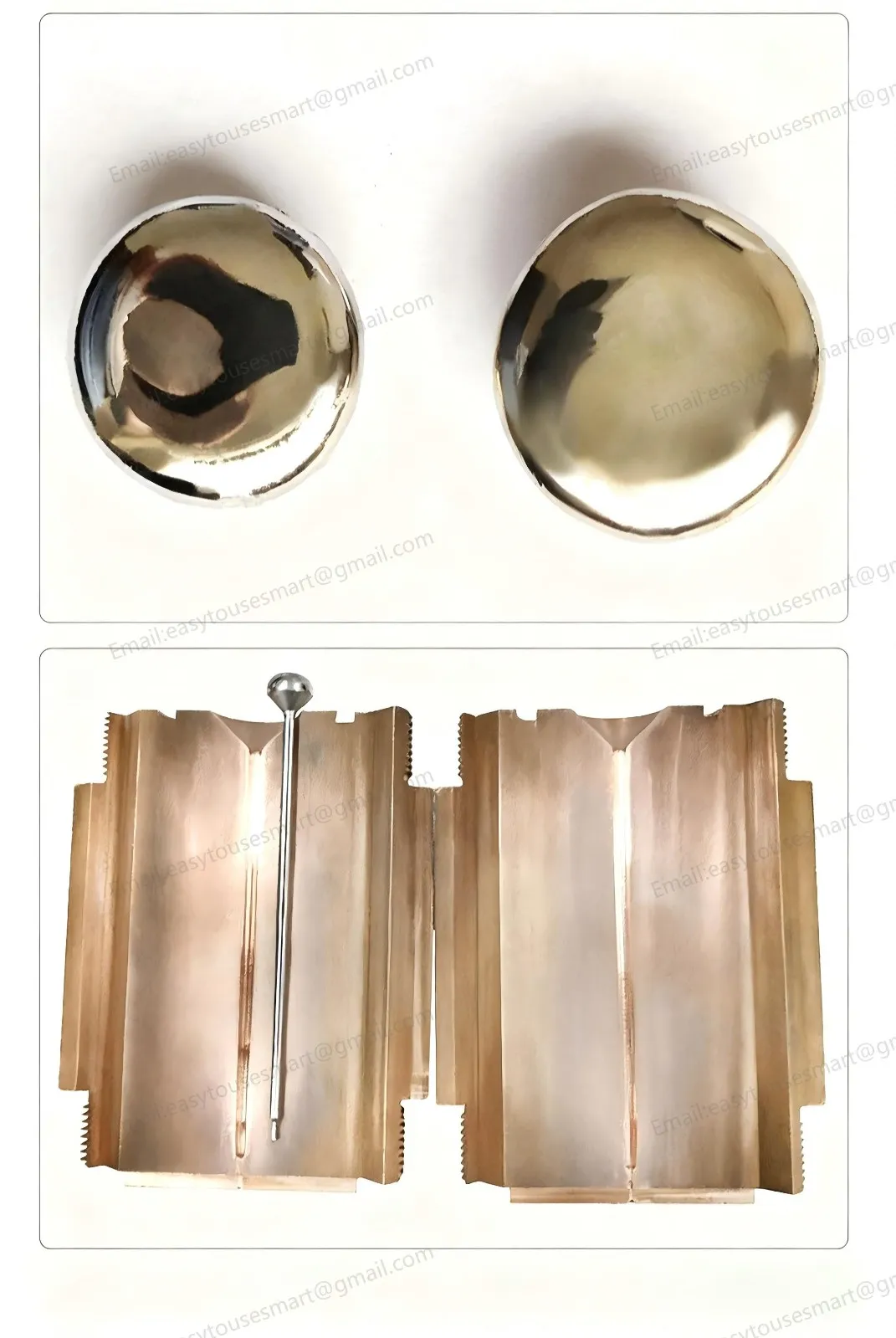
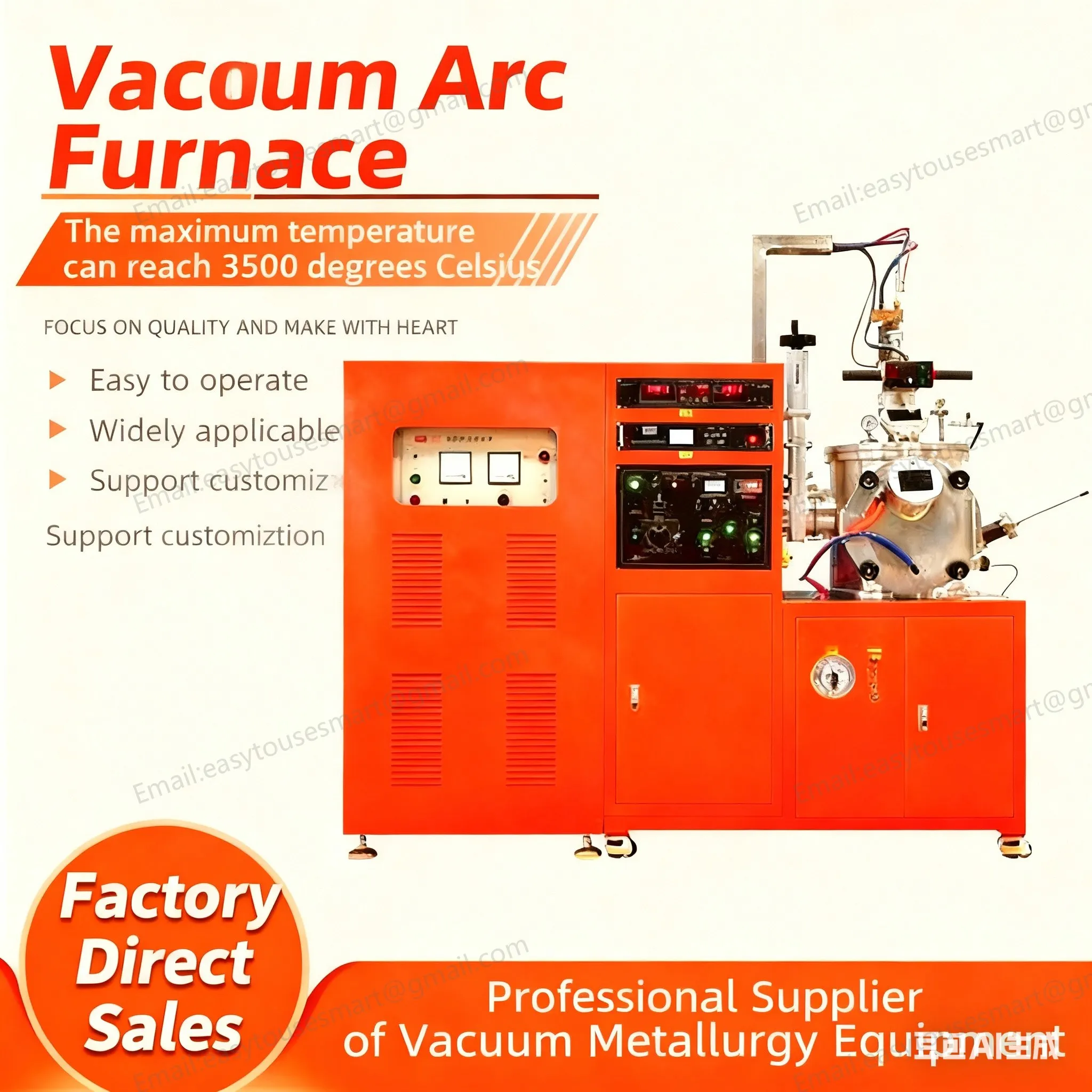
OverviewThe Vacuum Arc Remelting Furnace (VAR) is a specialized metallurgical system designed for high-purity metal production. Utilizing DC arc heat within a vacuum environment, it remelts active metals (titanium, zirconium), refractory metals (tungsten, molybdenum), and superalloys. Unlike traditional induction melting, VAR employs self-consumable electrodes melted in water-cooled copper crucibles. This "crucible-less" process prevents contamination, effectively removes hydrogen, nitrogen, and oxygen, and produces dense ingots with uniform crystallization. It is essential for aerospace components, nuclear materials, biomedical implants, and superconducting wires.
Core Working PrincipleRaw materials are pressed into a self-consumable electrode suspended above the furnace. After achieving high vacuum, a DC arc forms between the electrode tip and the bottom molten pool. The arc's extreme heat (core temperature ~4000°C) melts the electrode into droplets that fall into the water-cooled copper crucible. Intense cooling solidifies the metal rapidly. Throughout the process, gaseous impurities volatilize and are removed by the vacuum pump, ensuring deep degassing and high material purity.
Key Features
Furnaceless Melting: Uses forced water-cooled copper crucibles. The molten metal contacts only its own solidified shell, eliminating chemical contamination from refractory materials.
Ultra-High Purity: Achieves deep degassing to remove hydrogen and oxygen, preventing embrittlement and significantly enhancing material cleanliness.
Structure Control: Adjustable current and cooling rates allow for directional solidification, yielding fine grain structures or specific columnar crystals with minimal segregation.
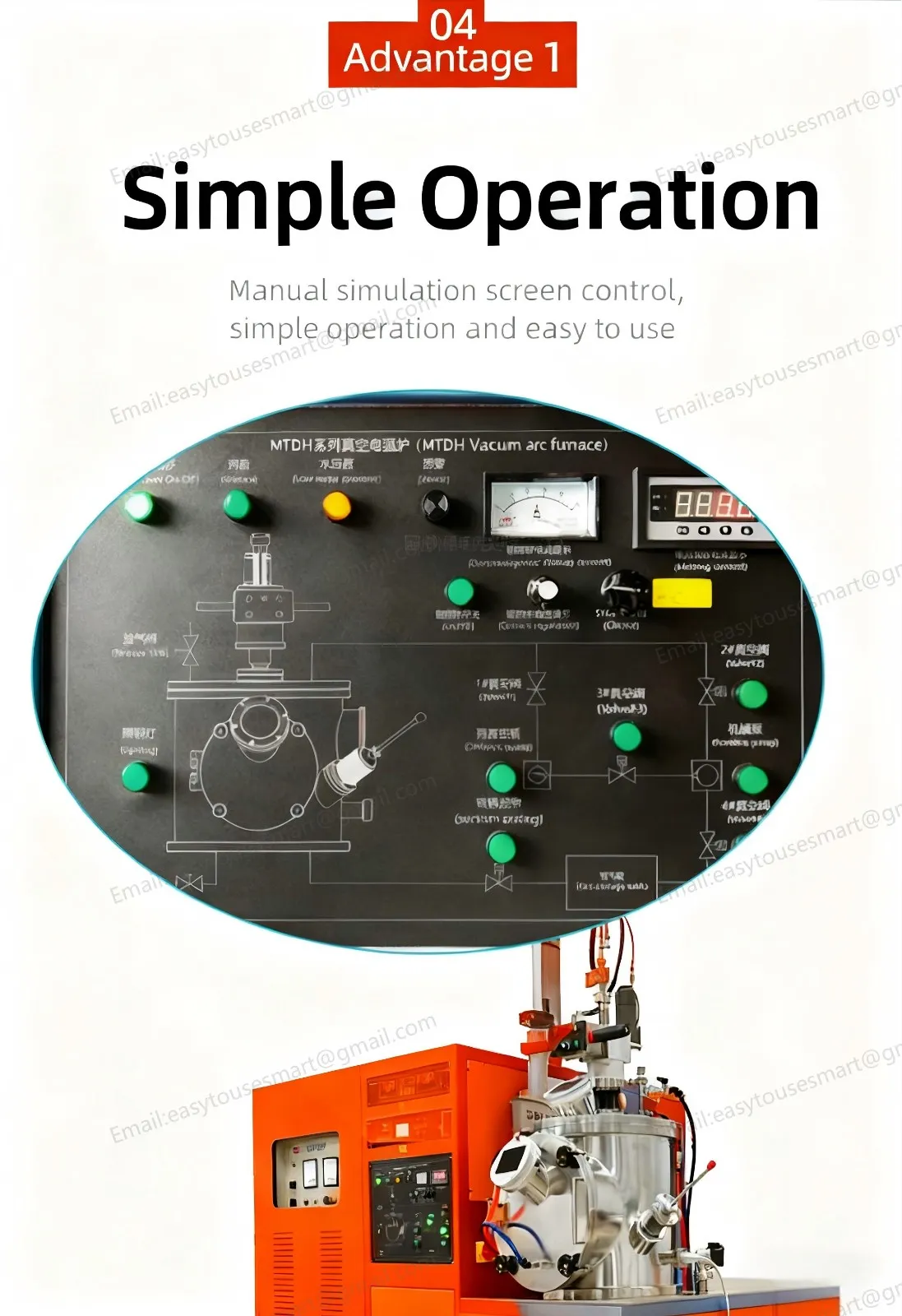
Intelligent Control: Features PLC automation for arc stability, real-time recording of process curves (voltage, current, vacuum), and comprehensive safety interlocks (hydraulic, water, vacuum).
Technical Specifications
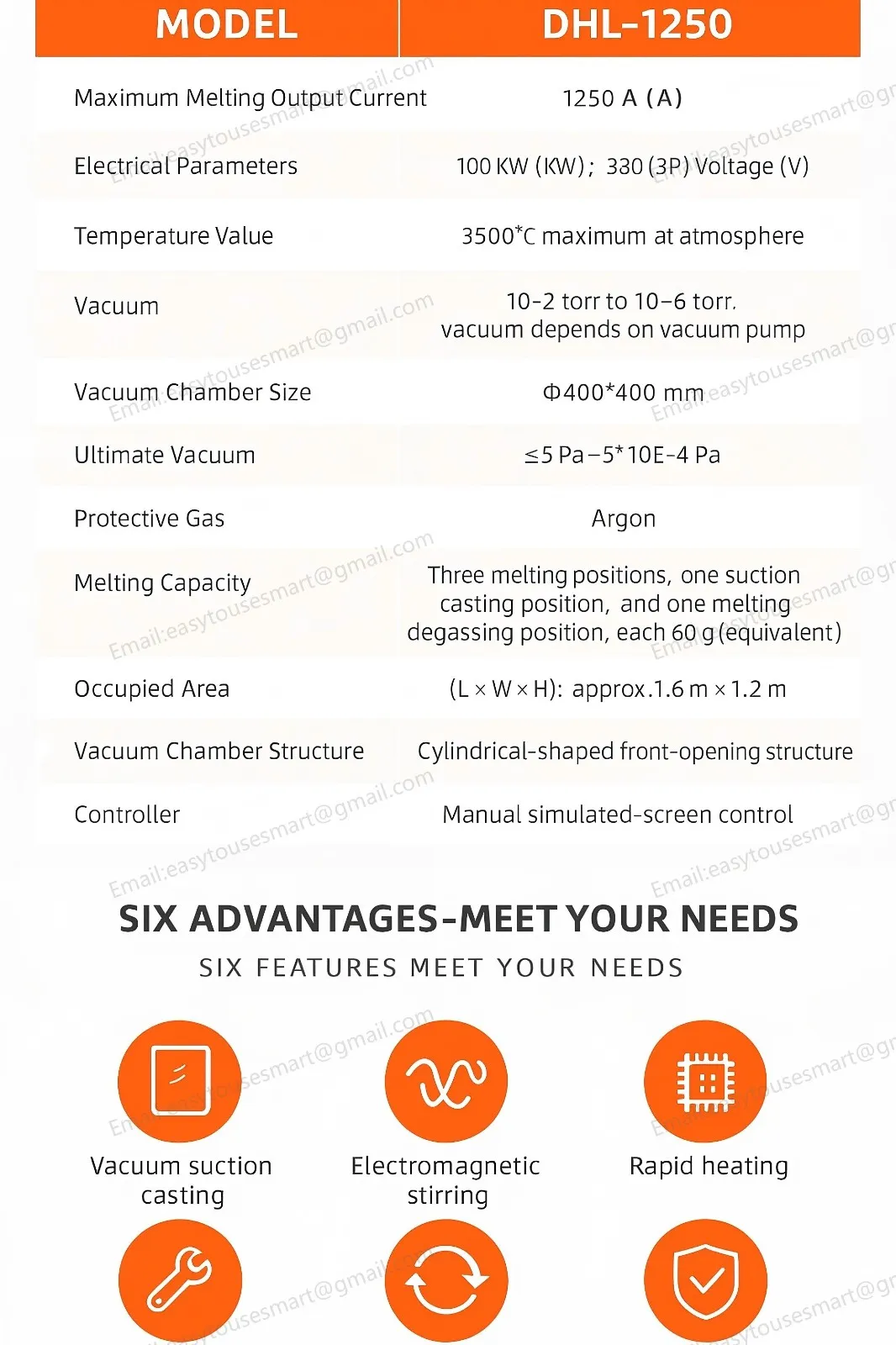
Parameter | Specification |
Heating Method | DC Arc (Self-Consumable Electrode) |
Final Vacuum | ≤ 5 × 10⁻³ Pa |
Working Current | 1000A – 20000A+ |
Crucible Type | Forced Water-Cooled Copper |
Capacity Range | 1 kg – 5000 kg |
Control System | PLC + Touch Screen |
Typical Applications
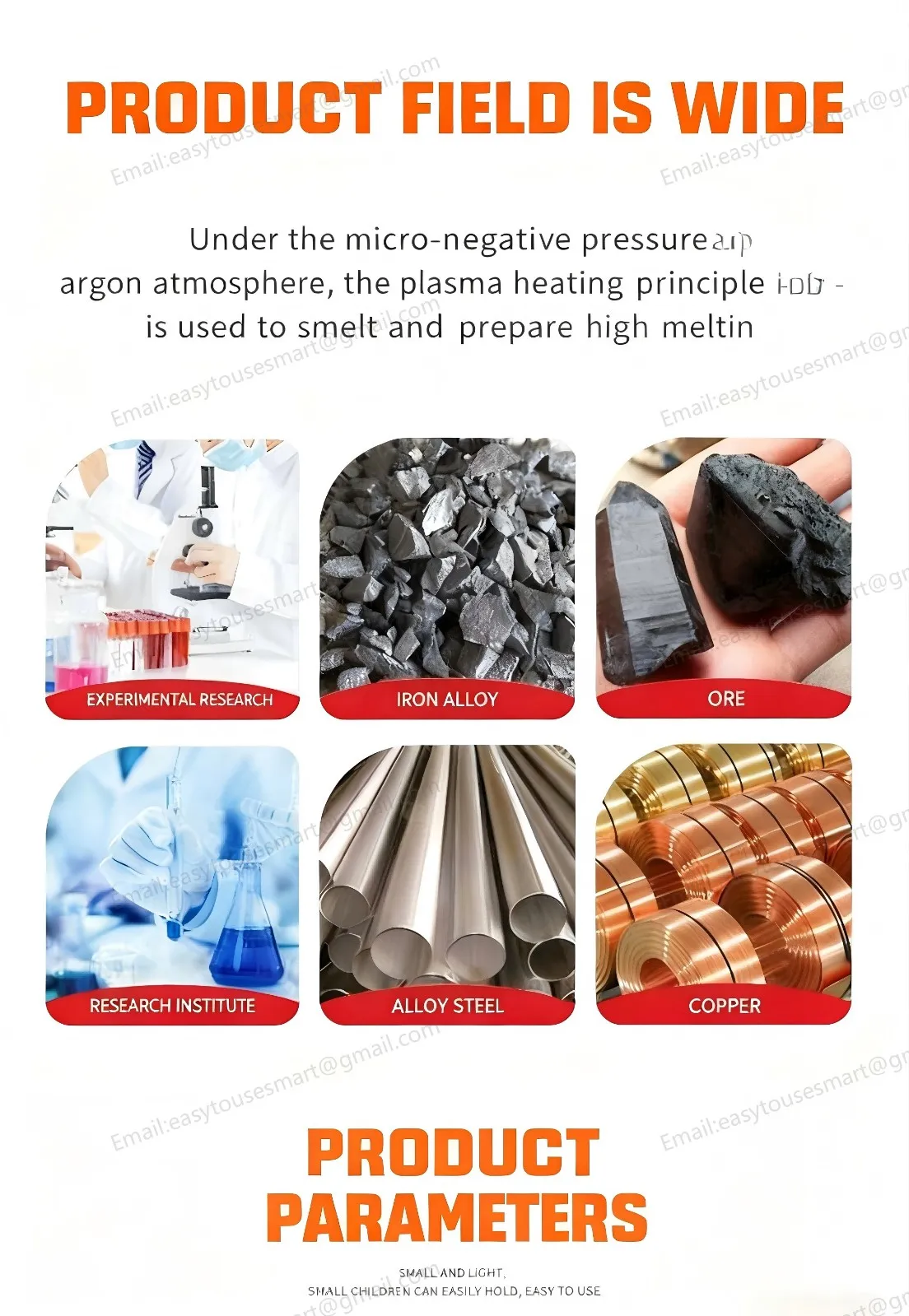
Aerospace & Aviation: Production of high-performance titanium (TC4, TiAl) and nickel-based superalloy ingots for engine blades and structural components.
Biomedical Engineering: Remelting ultra-low oxygen pure titanium and Ti-6Al-4V ELI alloys for biocompatible implants and surgical tools.
Nuclear Industry: Manufacturing zirconium alloy cladding tubes and hafnium control rods with strict hydrogen content control.
Superconducting Materials: Creating uniform Nb-Ti ingots for superconducting wire drawing and high-purity tungsten for electronic targets.
QR code

Contact information
15738867410
Online Message
Top